Fume Hood Scrubbers for Laboratory Exhaust Design
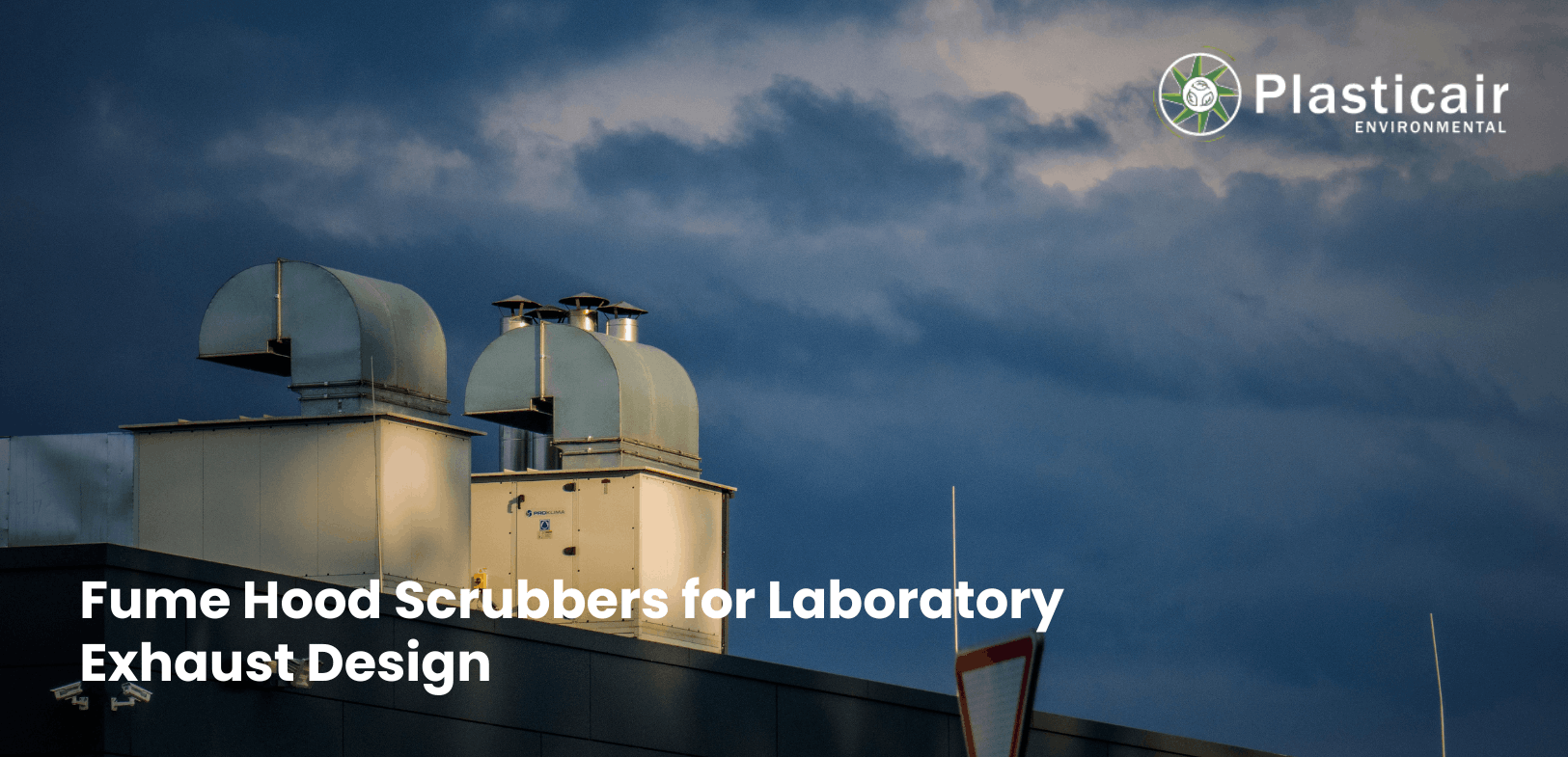
Designing exhaust for a laboratory is a different problem than designing it for a chemical plant. A plant typically deals with a known, continuous pollutant stream. A lab deals with dozens of researchers running different experiments with different chemicals on any given day, often in a building with occupied offices just down the hall. Fume hood scrubbers exist to make that unpredictability manageable, and getting the design right matters as much as the equipment itself.
This guide walks through why laboratory exhaust design differs from industrial ventilation, the specifications that actually drive a fume hood scrubber's performance, and what to weigh when planning a system for a research building.
Why Laboratory Exhaust Design Is Different
- Unpredictable Chemical Mix: A single fume hood might see acids one day and solvents the next, unlike an industrial process with a fixed exhaust profile.
- Occupied Space Nearby: Labs typically sit inside buildings with offices, classrooms, or clinical areas, raising the stakes on containment and discharge.
- Code-Driven Design: Standards like NFPA 45 and ANSI/AIHA Z9.5 govern lab ventilation in ways most industrial exhaust systems never have to account for.
- Variable Airflow Demand: Sash position changes throughout the day shift how much air a hood pulls, which the whole exhaust design needs to accommodate.
What Are Fume Hood Scrubbers?
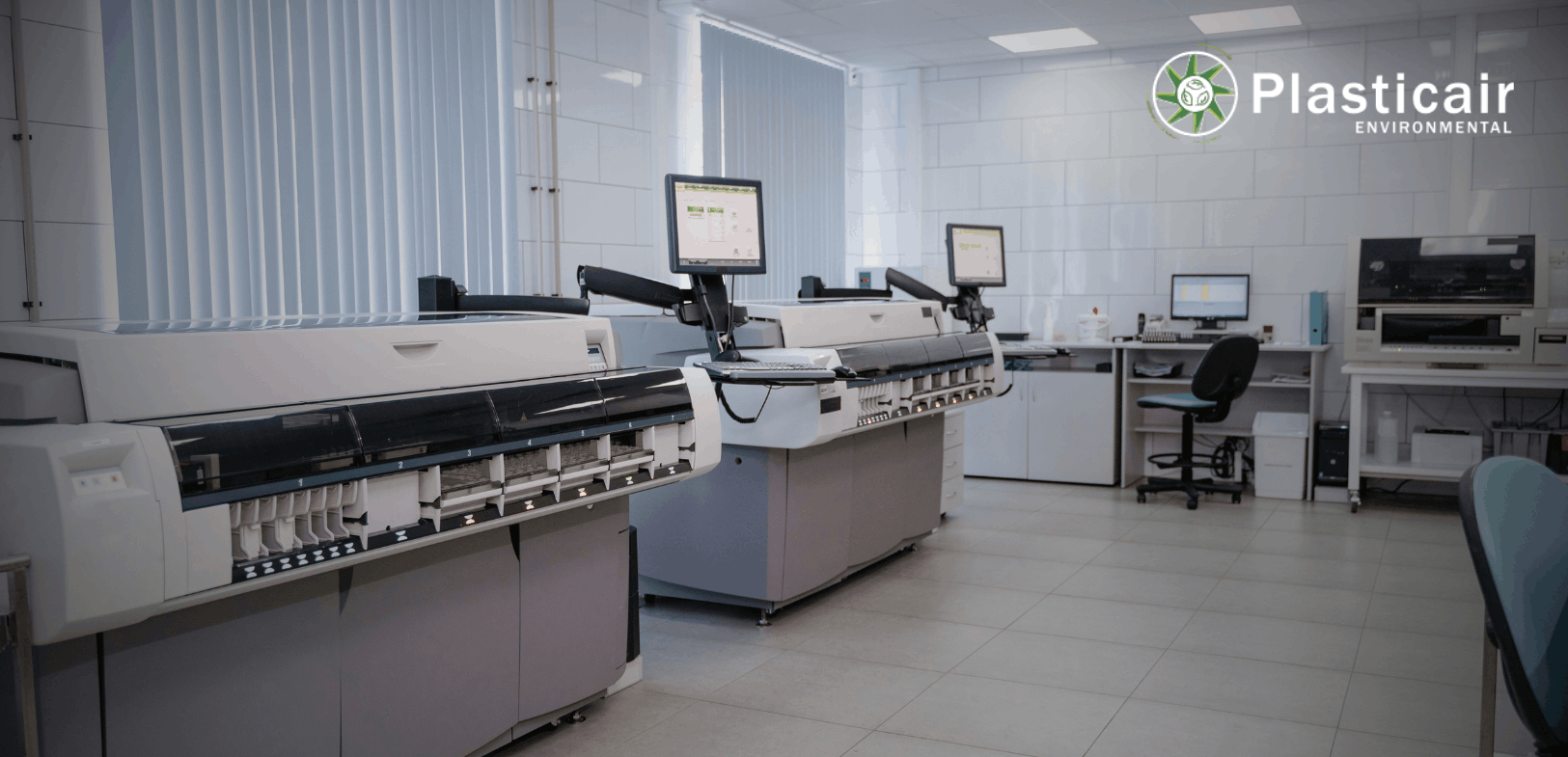
A fume hood scrubber treats the exhaust pulled from one or more laboratory fume hoods before it's released outdoors, neutralizing the acids, solvents, or other chemical vapors researchers work with. Because the chemical mix in a lab changes constantly, these systems are usually built with broad chemical resistance in mind rather than being tuned to a single pollutant the way many industrial scrubbers are.
Key Design Parameters for Laboratory Exhaust Systems
- Face Velocity: Most lab fume hood ventilation targets roughly 80 to 100 feet per minute at the sash opening, balancing capture efficiency against energy use.
- Sash Position and VAV Controls: Variable air volume systems adjust exhaust flow as sashes open and close, and the scrubber downstream has to handle that swing without losing performance.
- Duct Velocity: Ductwork needs enough velocity to keep particulates and vapors moving without excessive noise or pressure loss.
- Diversity Factor: Buildings with many hoods rarely have every sash fully open at once, and accounting for that realistically sizes the system instead of over-designing for a scenario that won't happen.
How Fume Hood Scrubbers Fit Into the Exhaust Path
Air drawn into a fume hood travels through dedicated ductwork, often combined with exhaust from other hoods on the same manifold, before reaching the scrubber. Inside, the same absorption principles used across chemical fume scrubbers apply: contaminated air contacts a scrubbing medium that neutralizes the chemical vapors, and the treated air is released through a stack designed to disperse it safely above the building.
Where Fume Hood Scrubbers Are Used
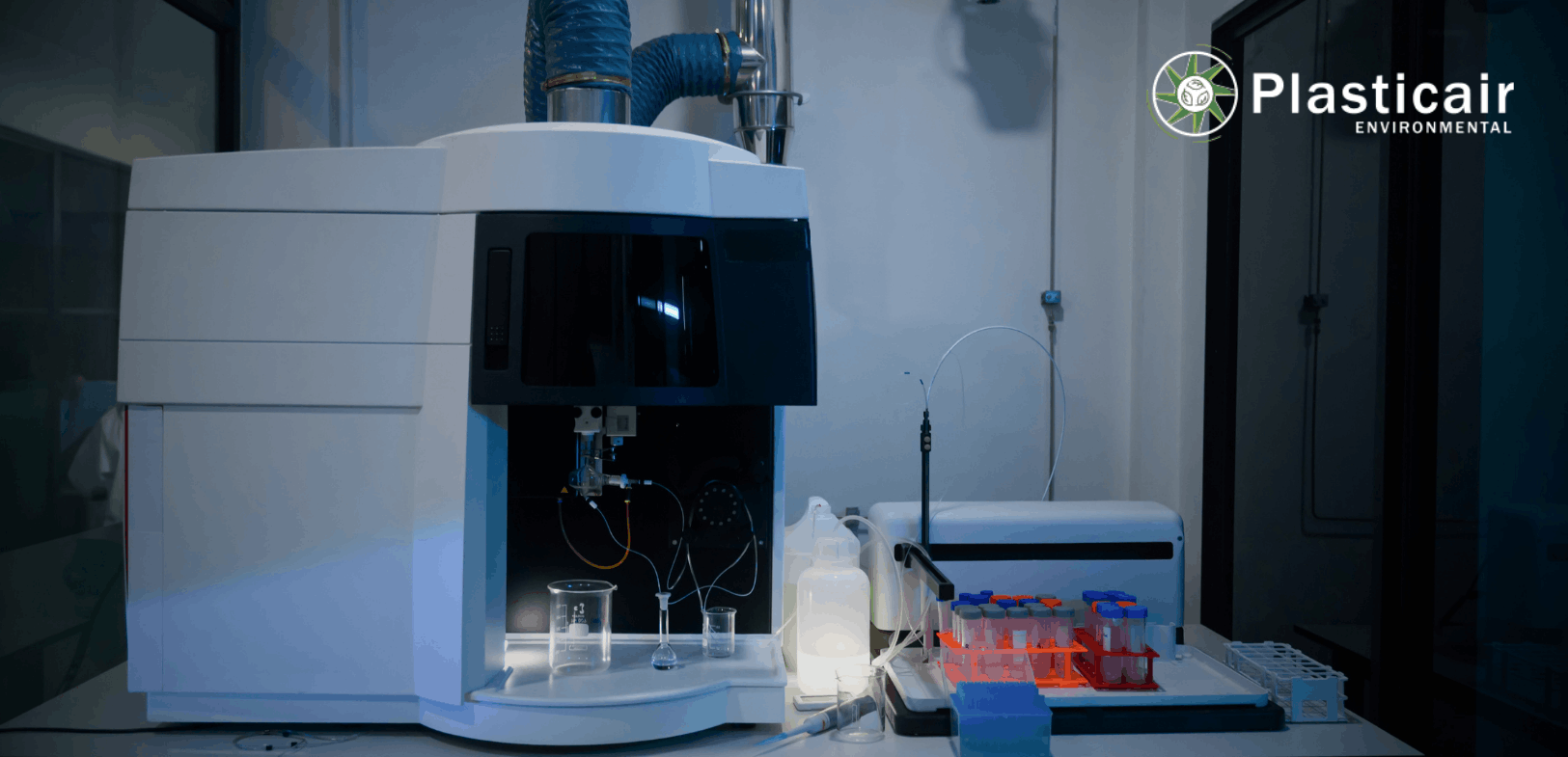
- University and Research Labs: High hood counts and constantly changing chemical use make robust laboratory air treatment essential.
- Pharmaceutical R&D: Development labs handle a wide range of reagents that require dependable exhaust treatment.
- Clinical and Hospital Labs: Diagnostic and pathology labs need reliable containment given their proximity to patient care areas.
- Independent Testing Laboratories: Facilities running varied analytical work benefit from broad-spectrum chemical resistance.
Benefits of Fume Hood Scrubbers
- Researcher Safety: Reduces exposure risk for lab personnel working with hazardous vapors day to day.
- Regulatory Standing: Supports compliance with lab ventilation codes and OSHA exposure limits, which apply in laboratory settings just as they do in industrial ones.
- Community Protection: Keeps discharged air safe for neighboring building occupants and the surrounding area.
- Operational Flexibility: Handles the shifting chemical mix of a working lab without needing reconfiguration for each new experiment.
Built From FRP for Chemical Resistance
Given how many different chemicals pass through a single lab exhaust system over time, corrosion resistance matters even more than in a typical single-pollutant industrial setup. FRP construction handles that variability well, and our FRP fans guide covers why the material performs where standard metal doesn't. Many fume hood scrubbers use wet scrubbing principles, and our broader chemical scrubbers guide covers how that technology adapts across different pollutant types.
Specifying a System for Your Lab
Good lab exhaust design starts well before equipment selection. A few factors worth working through early:
- Number of Hoods and Manifolding: Determines whether a single scrubber serves the building or multiple smaller units make more sense.
- Chemical Inventory Diversity: A lab running a narrow range of chemicals has different needs than one supporting dozens of research groups.
- Airflow and Face Velocity Targets: These drive the scrubber's required capacity and should be set before equipment selection, not after.
- Future Expansion: Research buildings tend to add hoods over time, and sizing with some headroom avoids a costly retrofit later.
Maintenance and Inspection Checklist
A fume hood scrubber serving a busy research building needs closer attention than a single-pollutant industrial system, simply because what's running through it changes so often:
- Review Chemical Inventory Changes: New reagents in use across the building should prompt a check that the scrubbing medium still matches what's being exhausted.
- Inspect Media and Internals: Look for wear or saturation given the broader chemical exposure these systems typically see.
- Test Face Velocity at Each Hood: Confirm hoods are still pulling air within the designed range, since drift here directly affects researcher safety.
- Check VAV Response: Verify the system adjusts properly as sashes open and close throughout a typical day.
- Examine Ductwork and Manifold Joints: Shared ductwork across multiple hoods means a single leak point can affect performance building-wide.
- Log Every Inspection: Lab safety audits frequently request maintenance history alongside performance data.
- Set a Routine Review Cycle: Regular checks catch drift before it becomes a safety or compliance issue.
Laboratory exhaust design carries a different set of demands than a typical industrial system, unpredictable chemical use, occupied space nearby, and codes that leave little room for improvisation. A fume hood scrubber sized and specified around those realities protects researchers, keeps a facility within its safety standards, and holds up as the building's research program evolves.
Plasticair Environmental designs corrosion-resistant exhaust systems built for the demands of laboratory environments. Our Products page covers the full range available for research and lab facilities.
Frequently Asked Questions (FAQs)
A fume hood scrubber treats exhaust pulled from laboratory fume hoods, neutralizing chemical vapors before the air is released outdoors.
Lab exhaust deals with a constantly changing mix of chemicals and sits near occupied space, while most industrial systems handle a fixed, known pollutant stream, which changes how the equipment and ductwork are specified.
The commonly cited industry range is 80 to 100 fpm at the sash opening, though the number that actually governs a given lab depends on the hood manufacturer's rating and whichever code the facility is designed to.
FRP is the standard choice, given the broad range of chemicals a lab exhaust system is likely to encounter over time compared to a single-pollutant industrial setup.
FRP is the standard choice, given the broad range of chemicals a lab exhaust system is likely to encounter over time compared to a single-pollutant industrial setup.
Given how often the chemical mix in a lab can change, more frequent checks are common than in industrial settings, with face velocity and media condition worth verifying on a regular schedule rather than an annual one.
University and research labs, pharmaceutical R&D facilities, clinical and hospital labs, and independent testing laboratories are among the heaviest users.